Crossing Anatolia: How to Follow Turkey’s Ancient Silk Road Trade Route Without a Tour
"Stepping beyond Southeast Asia into the rugged spine of Turkey. From Istanbul's historic spice markets to Seljuk stone caravanserais and windswept Anatolian valleys, here is an epic nomad expedition guide."
~6 - 8 Jam
Pagi hari (08:00 - 10:30)
Pusat Istanbul / Akses Transit Utama
For the past four years, my life has been a beautiful, chaotic blur of equatorial heat, salty ocean breezes, and endless coconut stalls. But as much as I adore the tropics, I think every storyteller eventually feels the magnetic pull of the unknown. I was craving a radical shift in scenery. So, I packed my favorite rugged duffle bag and traded my usual island ferry crossings for the vast, wind-swept continental interior of Turkey.
My vision wasn't to lounge at polished coastal resorts. I wanted to trace the legendary overland Silk Road across the Anatolian plateau—to step straight into the wild frontier where merchants, poets, and camel caravans used to cross paths centuries ago.
The Journey Begins: Where Two Continents Collide
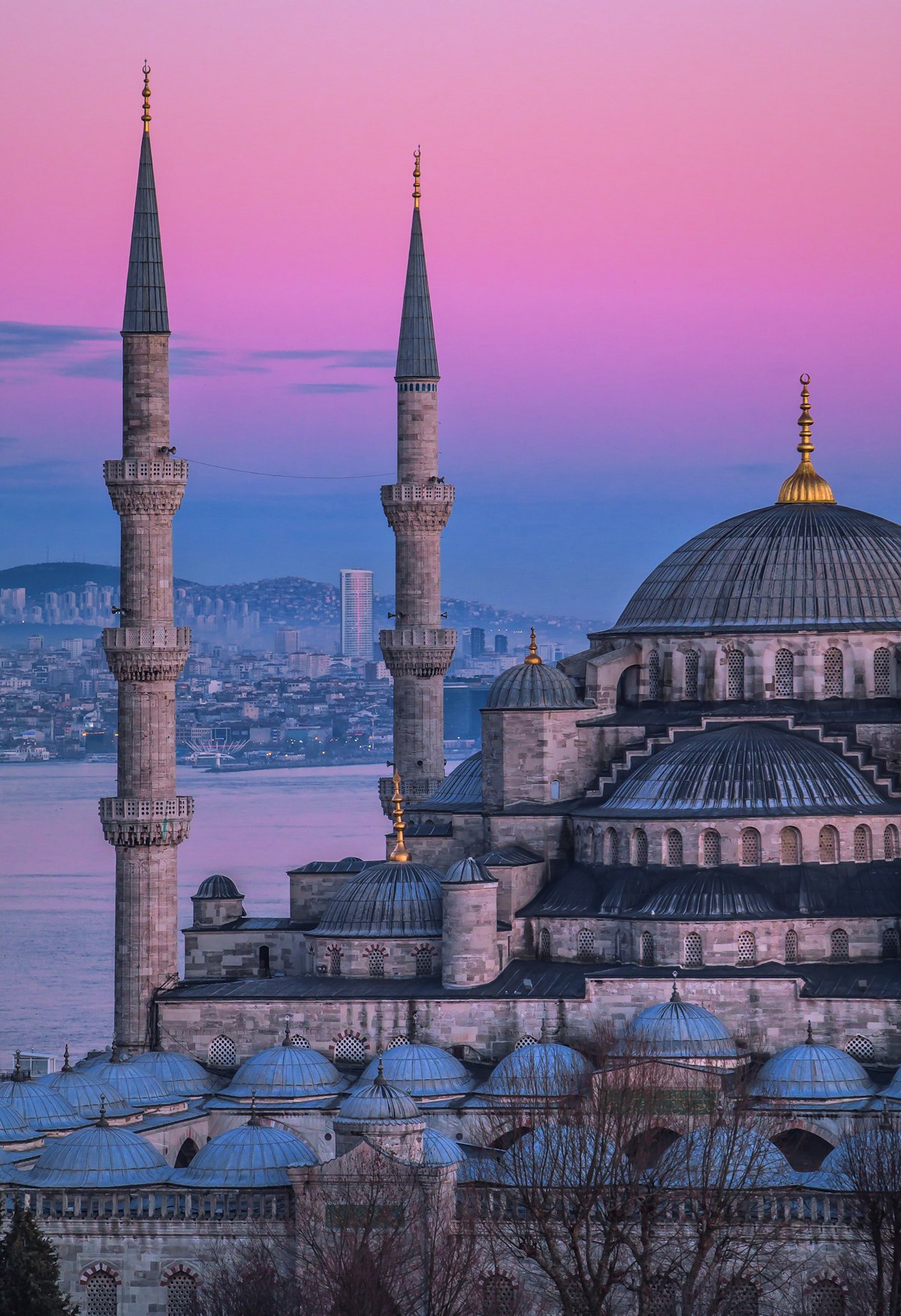
Everything starts in Istanbul, a city that effortlessly holds the world together. Walking through the Grand Bazaar and the Egyptian Spice Market is an intoxicating sensory overload in the best way possible. The towering piles of sumac, mountain oregano, and dried rosebuds hit your senses and instantly make you feel alive.
But for me, the true spirit of the Silk Road doesn't live in the crowded markets. It reveals itself once you head eastward, crossing the high plains of Central Anatolia toward Aksaray and Kayseri.
Sometimes, the greatest luxury we can afford is the courage to wander off the familiar path, allowing the vastness of the world to quiet our minds and shrink our daily worries into nothingness.
The Magic of the Seljuk Caravanserais
This is where the magic really happens. Every thirty to forty kilometers along this ancient artery, you will stumble upon a kervansaray (caravanserai). These are massive, fortified stone inns built back in the 13th century during the Seljuk Empire.
They were spaced exactly one camel's day march apart. Honestly, you can think of them as the world's very first boutique nomad hubs! Back in the day, they offered three days of free lodging, warm lentil soup, and a safe haven to merchants of any nationality or belief. Standing beneath the towering stone portals of Sultanhani, tracing the hypnotic geometric carvings with my fingers, I could almost hear the echoes of the past—the braying of camels and the hushed bargaining of silk merchants over burning coals.
It’s a beautiful reminder that true hospitality isn't a modern commercial invention; it is an ancient human instinct to care for the weary traveler, to provide warmth when the road gets cold.
My Personal Silk Road Overland Blueprint
If you are craving an adventure that completely breaks the mold, here is my personal field guide to experiencing this magic firsthand:
Leg 1 (Istanbul to Konya): I hopped on the high-speed train (YHT) across the Marmara basin. Watching the landscape gently shift from the train window as I headed toward the city of Rumi felt like watching a beautiful, moving painting unfold.
Leg 2 (Konya to Aksaray): Taking a local shared dolmuş (minibus) following the ancient D300 trade highway. Passing the Agzikarahan Caravanserai, you really feel the epic scale of this historic route.
Leg 3 (Ihlara Valley): I hiked the 14km canyon cut by the Melendiz river. The valley is dotted with breathtaking rock-cut Byzantine cave churches. Walking there forces you to just breathe and be intensely present.
Leg 4 (Cappadocia Frontier): Instead of joining the massive crowds in Goreme, I settled down in Mustafapasa (Sinasos). Finding these quiet pockets is the ultimate secret to keeping your peace of mind intact while traveling.
The Modern Nomad in an Ancient World
You might think that traveling the Silk Road means roughing it and disconnecting from your work, but doing this as a modern remote worker is surprisingly seamless. Turkey’s regional infrastructure is incredibly solid. I had a flawless 5G connection even while crossing barren mountain passes!
And the warmth of the people? Absolutely unmatched. Every roadside teahouse (çayevi) treats you like an old friend returning home. A glass of hot, tulip-shaped black tea costs practically nothing, and even if you don't speak the language, smiles, shared gestures, and a trusty translation app make conversations flow so effortlessly.
When you finally step beyond standard beach holidays, you realize that history isn’t just something locked away behind glass in sterile museums. It is carved right into the living rock and carried in the everyday kindness of the locals.
I hope this little glimpse into the Anatolian plateau inspires you to pack a bag, trust the journey, and seek out your own frontier. Let’s keep moving, keep connecting, and always remember that the world is a massive, beautiful space just waiting to welcome us with open arms. Feel free to connect with me on Locallytrip—let's explore the unseen together!
Cerita ini dikurasi dan diverifikasi sesuai Standar Pedoman Komunitas & Editorial PT Locallytrip Teknologi Indonesia.
Beri inspirasi ke sesama traveler! 🌍
Bagikan cerita otentik ini ke media sosial favoritmu dalam sekali klik.